
If you play darts regularly, you probably wonder how often you should change your dart points. After all, the sharpness and condition of your points can make a big difference in your game.
Too dull or damaged, and your darts might bounce out or miss the board altogether. But changing them too often? That could be a waste of time and money. So, how do you know when it’s the right time to replace or sharpen your dart points?
You’ll discover simple tips to keep your darts in top shape, improve your scores, and enjoy every throw. Keep reading to find out how often you should change your dart points and why it matters for your game.
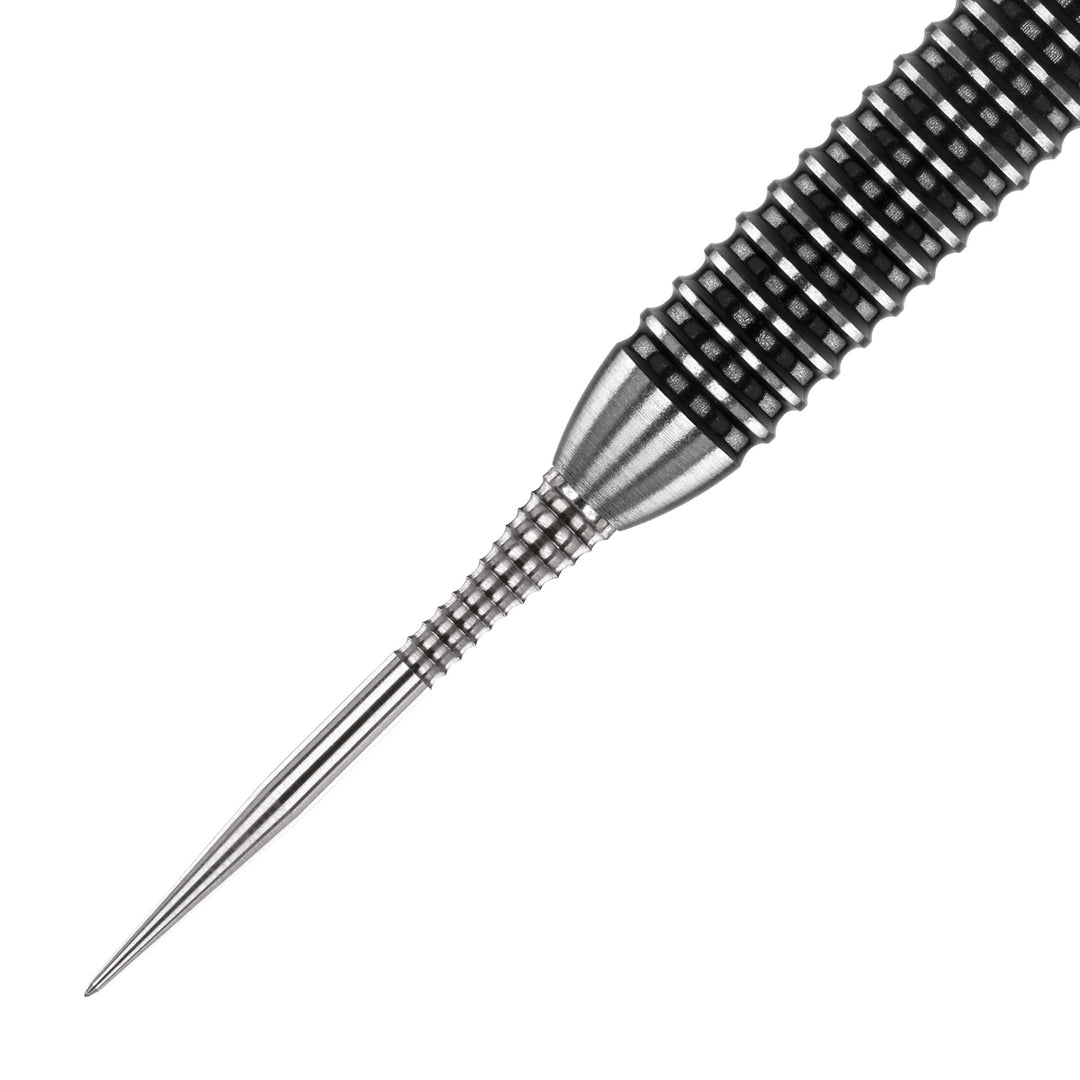
Dart Points Basics
Dart points come in different types to suit various playing styles. The main types include steel tips and soft tips. Steel tips are used on traditional bristle boards, while soft tips fit electronic dartboards.
Materials for dart points vary. Steel is common for durability. Some points use tungsten alloys to increase strength and reduce weight. Plastic points are typical for soft tip darts.
| Point Type | Material | Common Length | Style |
|---|---|---|---|
| Steel Tip | Steel, Tungsten | 20-25 mm | Sharp, Needle |
| Soft Tip | Plastic | 15-20 mm | Blunt, Rounded |
Point length affects flight stability and throw feel. Shorter points give more control. Longer points can improve dart balance. Styles vary from needle sharp to rounded tips.
When To Change Dart Points
Dart points show signs of wear like bending or dullness. Sharp points help darts stick better in the board. If points are bent or dull, they can bounce out or miss the board.
Casual players should check points every few weeks. Changing points every 2-3 months keeps darts effective. If you play less, change points when they look worn.
Professional players inspect points daily. They may change points weekly or even more often. Sharp, smooth points help keep accuracy high in every game.
Impact Of Dart Points On Performance
Dart points have a big impact on your throw accuracy. Sharp points stick well into the board, helping your darts stay where you want them. Blunt points can bounce out, causing missed scores and frustration.
Sharp points give better control and reduce dart movement after hitting the board. Dull or bent points may slide or fall out, ruining your game rhythm. Check points often to keep them in good shape.
| Point Length | Throwing Style |
|---|---|
| Short | Best for players who throw fast and close to the board |
| Medium | Good for balanced throwers with moderate speed |
| Long | Works well for slower throws and players who aim carefully |
Sharpening Vs Replacing Points
Check your dart points every time before playing. Sharpen them if they feel dull or bent. Use a proper sharpener to keep points smooth and slightly rounded. Avoid making them too sharp as this can cause damage to the dartboard.
Sharpening keeps darts in good shape and helps better grip on the board. Use gentle, even strokes when sharpening. Rotate the dart to keep the point even. Do not over-sharpen as this weakens the metal.
Replace points when they are bent beyond fixing, cracked, or broken. Also, change points if sharpening no longer improves their condition. Using damaged points can affect your throw and can harm the board.
Tools For Changing Dart Points
Dart point removal tools are simple but important. They help take out old points safely. Some use pliers or special wrenches made just for darts. These tools protect the dart barrel from damage while removing points.
Point replacement kits usually have new points and tools. Kits often include different point sizes for various dartboards. Using a kit helps keep darts sharp and ready to play.
Maintaining barrel integrity means not twisting or forcing points too hard. Tighten new points gently to avoid breaking the barrel. Damaged barrels can change how the dart flies. Careful handling keeps your darts in good condition longer.

Tips For Extending Dart Point Life
Store darts in a dry place to prevent rust and damage. Use a case or container designed for darts. Keep points covered to avoid bending or dulling.
Check dart points often for bends, nicks, or dull edges. Replace or sharpen points if they look damaged. Frequent checks help keep darts in good shape.
Avoid dropping darts on hard floors or hitting hard surfaces. This can cause points to bend or break. Handle darts with care during play and transport.
Customizing Dart Points
Choosing the right point length can affect your throw. Shorter points offer more control, while longer points can stick better on soft boards. Players often try different lengths to find what feels best.
Balancing weight and grip is key. Heavier points add weight to the front, changing the dart’s flight. Lighter points help with faster throws. Grip on the point matters too; a smooth point slides easier, but a textured one can give better hold.
Adjusting points for different boards is smart. Harder boards may need sharper points to stick well. Softer boards work fine with blunter points to avoid damage. Changing points based on the board keeps darts working longer and improves your game.

Common Mistakes To Avoid
Changing dart points too often wastes money and time. Points last longer if cared for properly. Check points before every game to spot damage early. Using dull or bent points can spoil your throw.
Ignoring point condition leads to poor game performance. Sharp points grip the board better. Replace points only when they are bent, dull, or broken.
| Mistake | Why to Avoid | Tip |
|---|---|---|
| Changing Points Too Often | Wastes money and time | Check points; replace only if damaged |
| Ignoring Point Condition | Leads to poor throws | Inspect points before every game |
| Using Incompatible Parts | Causes parts to break or fit badly | Use points that match dart barrels |
Frequently Asked Questions
When Should You Change Your Darts?
Change your darts every three months or when you notice decreased performance or visible wear on points and flights. Regularly inspect points and sharpen or replace them as needed for consistent accuracy. Replace flights frequently, especially if damaged, to maintain flight stability and scoring precision.
How Often Should I Replace Dart Flights?
Replace dart flights whenever they show wear, tears, or affect your throw—typically every few weeks with regular play.
How Often Do Darts Rankings Change?
Darts rankings update after each major tournament, reflecting a two-year rolling prize money system. Changes occur regularly throughout the year.
How Often Should I Sharpen Darts?
Sharpen darts every time before playing to ensure optimal performance. Check points for dullness or damage regularly and sharpen as needed.
Conclusion
Changing dart points regularly keeps your game smooth and accurate. Check your points often for dullness or bending. Replace them once they show wear or damage. Sharp points help darts stick better on the board. For casual players, changing points every few months works well.
Frequent players might need to change or sharpen points more often. Taking care of dart points extends their life and improves play. Keep your darts ready to hit the mark every time. Simple maintenance makes a big difference in your score.