
Choosing the right dart weight can change your game more than you might expect. If your throws feel off or your darts wobble in mid-air, the problem might be the weight you’re using.
But how do you find the perfect balance that suits your style and helps you hit the bullseye every time? In this guide, you’ll discover simple, practical tips to match dart weight with your throwing style, improve your accuracy, and boost your confidence.
Keep reading to unlock the secrets that can take your dart skills to the next level.
Dart Weight Basics
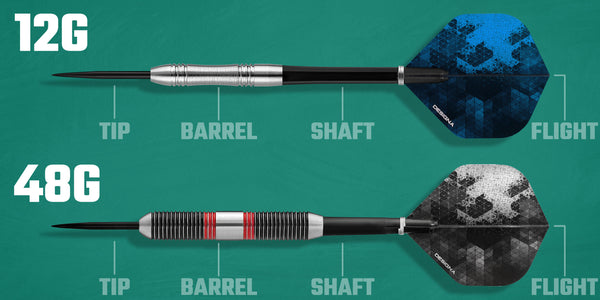
Darts usually weigh between 16 and 30 grams. Most players choose darts from this range. Lighter darts, around 16 to 20 grams, fly faster but may feel less stable. Heavier darts, from 24 to 30 grams, move slower but offer more control.
The dart’s material affects its weight too. Tungsten darts are dense and slim, giving better grip and balance. Brass darts are lighter and cheaper but bulkier. Aluminum darts fall in between in terms of weight and feel.
| Material | Weight | Feel |
|---|---|---|
| Tungsten | Heavy & Dense | Slim and Balanced |
| Brass | Light | Bulkier |
| Aluminum | Medium | Moderate |
Throwing Style Effects
Fast and forceful throwers often prefer lighter darts. These darts allow for quick arm movement and better control. Lighter darts fly faster and suit a strong, sharp throwing action. Using heavier darts might slow down the throw and cause less accuracy.
Smooth and relaxed throwers usually find heavier darts better. These darts help keep the throw steady and reduce wobbling. Heavier darts travel more steadily and suit a calm, flowing throw style. They can help improve accuracy for those who throw gently.
Choosing dart weight depends on matching the dart to your natural throwing style. Trying different weights helps find what feels right and improves your performance.
Dart Flight Patterns
A high trajectory causes darts to arc too much. This makes aiming harder. Darts may bounce off the board or miss the target.
Adding more weight helps lower the flight path. Heavier darts fly straighter and hit with more force. This reduces wobbling in the air.
Changing dart weight can correct flight problems. Try a few weights to find what feels right. Small changes can make a big difference in control and accuracy.
Remember, the right weight depends on your throw style. A heavier dart suits a strong, forceful throw. Lighter darts work well for smooth, relaxed throws.

Weight Distribution Factors
Front-loaded darts have more weight near the tip, helping them fly straighter. They suit players who want a strong, stable throw. Balanced darts spread weight evenly, offering better control and smooth release.
The barrel shape affects how you hold the dart. Slim barrels fit small hands well, while thicker barrels give a firmer grip. Textures like knurled or ringed patterns improve grip and stop slipping.
Choosing For Beginners
Beginners should start with darts weighing between 20 to 24 grams. This range offers a good balance of control and ease of throwing. Lighter darts feel easier to throw but may wobble more in the air. Heavier darts provide stability but can tire the arm faster.
Grip comfort is key. Choose darts that feel secure and comfortable in your hand. The dart’s barrel may have smooth, knurled, or ringed patterns to help grip. A good grip helps maintain control and improves accuracy.
Try holding different darts to see which feels natural. Your hand size and style affect the choice. The right dart weight and grip make it easier to aim and throw consistently.

Testing And Adjustment
The trial and error approach helps find the best dart weight. Testing different weights is key. Small changes, like one gram, can make a big difference in how darts feel and fly.
Start with a comfortable weight and throw several darts. Notice how each weight affects your aim and control. Some players prefer heavier darts for stability, while others like lighter ones for speed.
Adjust gradually. Changing weight by small amounts lets you feel subtle differences. This process improves accuracy and helps find your ideal dart weight.
Popular Dart Weights
Professional players often choose darts weighing between 20 to 26 grams. These weights offer a good balance of control and power. Pros prefer darts that feel steady and consistent in their hand.
Amateur players usually pick lighter darts, around 16 to 20 grams. Lighter darts are easier to throw and help beginners develop their aim. Many amateurs find these weights comfortable for longer play sessions.
| Player Type | Common Dart Weight | Reason |
|---|---|---|
| Pros | 20 – 26 grams | Better control and steady flight |
| Amateurs | 16 – 20 grams | Easier to throw and aim |
Frequently Asked Questions
How Do You Tell If Your Darts Are Too Light?
You can tell darts are too light if they wobble or deviate in flight. They may also bounce out or lack board penetration.
Do Any Pros Use 28g Darts?
Yes, some professional players use 28g darts, especially if it suits their throwing style and control preferences.
How Do I Pick The Right Darts For Me?
Choose darts based on weight, grip, and throwing style. Start with 20-25g darts for balance. Pick a comfortable grip and barrel shape. Test different weights to find what feels stable and accurate for your throw. Prioritize comfort over minor weight differences.
Are 30 Gram Darts Too Heavy?
30-gram darts are heavier than average but suit players who prefer a solid, stable throw. They may feel too heavy for beginners or those with a lighter throwing style. Testing different weights helps find the most comfortable and accurate dart for your game.
Conclusion
Choosing the right dart weight shapes your playing comfort and accuracy. Start with a weight that feels natural in your hand. Notice how your darts fly and land. Adjust the weight if your throws feel off or inconsistent. Remember, small changes can make a big difference.
Try different weights to find your best fit. The right dart weight helps improve your game steadily and enjoyably. Keep practicing and stay patient. Your perfect dart weight will come with time and experience.