
Are you curious about where darts players actually throw from? Whether you’re just starting out or looking to sharpen your skills, knowing the exact spot to stand can make all the difference in your game.
The place you throw from isn’t random—it’s a carefully measured line called the “oche,” and standing in the right position helps you aim better and throw more accurately. You’ll discover everything you need to know about the oche, why its distance matters, and how your stance at this spot can transform your throws.
Get ready to step up and throw like a pro!
Standard Throwing Distance
The official throwing distance for darts is 7 feet 9 1/4 inches (2.37 meters) from the front of the dartboard to the oche line. The oche is the line behind which players must stand while throwing. This measurement is set by the World Darts Federation and is used in most tournaments.
In casual play, distances can vary. Some players stand closer or farther depending on space or skill level. Home games often use a shorter distance for easier play. Others may place the oche a bit behind the official line to challenge themselves more.
| Type of Play | Throwing Distance |
|---|---|
| Official Tournaments | 7 ft 9 1/4 in (2.37 m) |
| Casual/Home Play | Varies from 6 ft to 8 ft |
Oche Positioning
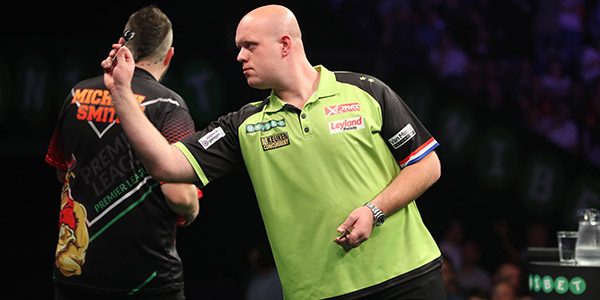
Players often choose between a center stance or a side stance at the oche. The center stance puts the body square in front of the board, giving an equal distance to all targets. It helps some players keep balance and aim straight.
The side stance lets players step slightly to the left or right. This can feel more natural and comfortable. Many choose it because it fits their dominant eye, which is the eye they use more for aiming.
Dominant eye influence is important. If the right eye is dominant, a player might stand slightly to the right. This helps align the dart with the target better. Left-eye dominant players do the opposite.
Choosing the right stance can improve accuracy and consistency. It depends on what feels best for each player.
Stance And Balance
Place your front foot slightly forward, pointing toward the dartboard. Your back foot should be at a small angle for better balance. Feet should stay firm but relaxed.
Keep your weight evenly spread on both feet to avoid swaying. This helps maintain a steady stance throughout the throw.
Stand with your body slightly sideways to the board. This position supports a natural arm motion and better aim.
Keep your shoulders level and avoid leaning forward too much. Good posture helps control your throw and reduces fatigue.
Balance is key. Feel stable and grounded before each throw. This improves accuracy and confidence.
Grip And Dart Handling
Common grip styles include the pencil grip, three-finger grip, and four-finger grip. Each style offers different levels of control and comfort. The pencil grip holds the dart like a pencil, offering precision. The three-finger grip uses the thumb, index, and middle fingers to balance the dart. The four-finger grip adds the ring finger for added stability.
Adjusting grip helps improve accuracy. Holding the dart too tight can cause tension and affect the throw. A relaxed grip allows smoother motion and better control. Players often shift their grip slightly to find what feels best. Experimenting with finger placement can lead to a more consistent aim.
Aiming Techniques
Aligning with the board is key for good aim. Stand so your dominant eye lines up with the dartboard. This helps you see the target clearly and improves accuracy. Keep your shoulders and feet steady. Your body should face the board at a slight angle, not straight on. This position makes it easier to throw in a straight line.
Focus and concentration matter a lot. Block out distractions around you. Take a deep breath before each throw. Look only at the spot where you want the dart to land. This sharp focus helps your hand move smoothly and hit the target better. Practice calm breathing to stay relaxed and steady.

Throwing Mechanics
The arm movement in darts starts with a smooth, controlled motion. The elbow acts like a hinge, moving the forearm forward. The wrist stays firm but relaxed to guide the dart.
The release is quick and clean. Letting go at the right moment helps the dart fly straight. Keep your fingers steady to avoid wobbling.
After the release, the follow through is very important. It means your hand continues moving forward naturally. This helps keep the dart on its path and improves accuracy.
Stopping the arm too soon or pulling back can cause bad throws. A good follow through shows confidence and control.
Common Mistakes To Avoid
Overusing wrist flick can cause less control and poor aim. It makes the dart fly unpredictably. Instead, use a smooth arm motion for better accuracy. Keep your wrist steady and let your elbow guide the throw.
Inconsistent stance leads to unstable throws. Standing too close or too far from the oche changes your aim. Find a comfortable spot and keep your feet steady. Always face the board the same way. This builds muscle memory and improves your score.
Practice Drills For Precision
Practicing distance control exercises helps improve dart throwing accuracy. Start by marking different points on the floor. Throw darts at the board from each point. This trains the muscles to adjust for varying distances.
For targeted accuracy training, focus on hitting specific sections of the board. Aim for the bullseye or triple 20 consistently. Use smaller targets to challenge your precision.
| Exercise | Purpose | How to Do It |
|---|---|---|
| Distance Markers | Control throwing distance | Throw from marked spots at increasing distances |
| Single Target Practice | Improve aim on specific board areas | Aim repeatedly at bullseye or triple 20 |
| Grouping Challenge | Enhance tight dart grouping | Try to land darts close together on the board |
Pro Player Insights
Pro darts players often develop unique throwing styles. Some throw with a smooth, flowing motion. Others use a quick, sharp release. The choice depends on what feels natural and steady.
Many players adjust their stance and grip to improve accuracy. Some stand straight, while others angle their body slightly. The grip on the dart also varies, with some holding it tightly and others more loosely.
Adapting techniques is key. Players watch their results and make small changes. This helps them stay consistent and score better. Practice also builds muscle memory, making throws more precise over time.
Equipment Impact
Dart weight affects how players throw. Lighter darts fly faster but need more control. Heavier darts feel steadier and are easier to aim for beginners. Balance is key. Some darts have the center of gravity near the front, middle, or rear. This changes the dart’s flight path and affects grip and throw style.
The height of the dartboard is set at 5 feet 8 inches from the floor to the bullseye. The throwing line or oche is 7 feet 9.25 inches from the board face. These measurements make sure every player stands at the same distance. Proper setup helps in fair play and better accuracy. A stable board and clear oche line improve focus and performance.

Frequently Asked Questions
Where Do Darts Players Throw From?
Darts players throw from the oche, a line marked on the floor. It is 7 feet 9. 25 inches from the dartboard. Players stand behind this line to ensure fair play. Many choose a comfortable stance, either centered or slightly to the side.
Where Should You Throw Your Darts From?
Stand behind the throw line, called the oche, at a distance of 7 feet 9. 25 inches (2. 37 meters) from the dartboard. Choose a comfortable stance, either centered or slightly to the side, based on your dominant eye and throwing style.
Do They Still Do Darts At Lakeside?
Yes, darts events no longer take place at Lakeside Leisure Complex since the PDC moved their tournaments.
Why Is An Oche Called An Oche?
The term “oche” comes from “hockey,” pronounced without the ‘h. ‘ It likely derives from the old French word “ocher,” meaning to cut a deep notch.
Conclusion
Darts players always throw from a marked line called the oche. This line is 7 feet 9 ¼ inches from the dartboard face. Players choose their stance for comfort and aim. Some stand centered, others slightly to the left or right.
The choice often depends on eye dominance or throwing style. Consistency in standing spot helps improve accuracy. Remember, practice from the correct distance builds better skills. Understanding where to throw is key to enjoying darts more. Keep your feet steady, focus, and have fun playing.